DevSecOps series No. 2: Automatic security checks for Dockerfiles
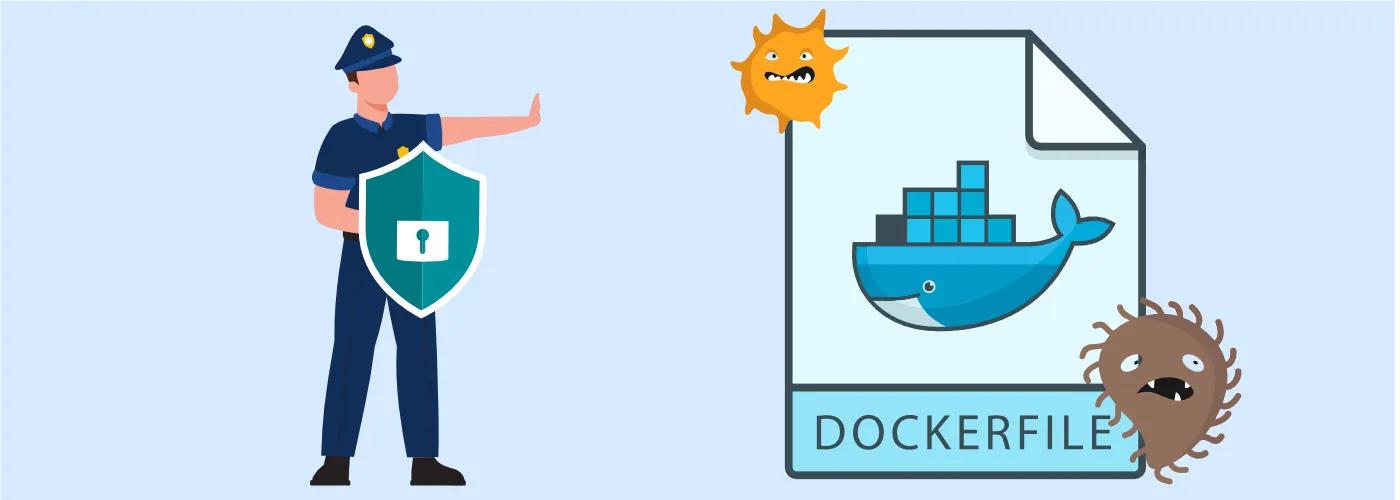
Second post of the DevSecOps series. How to check Dockerfiles for security issues automatically in your CI pipeline, comparing Hadolint and Dockerfile-security.
Second post of the DevSecOps series. How to check Dockerfiles for security issues automatically in your CI pipeline, comparing Hadolint and Dockerfile-security.
A zip bomb is a 2001 attack that still works in 2019 and, in an automated pipeline, can reach production on its own. A demo taking down Apache Tomcat with a .war file.
How Jenkins, GitHub Actions, GitLab CI/CD and Bitbucket Pipelines store secrets, and how to use them so production credentials never end up in a log.
A talk at Navaja Negra 2023 taught me that WAF-Brain, a proof of concept we built at BBVA, had become the base of research papers written on the other side of the world.
Cyclomatic complexity is a crucial metric for understanding code complexity and its impact on cybersecurity. This article explores cyclomatic complexity, its effects on code quality, and its connection to cybersecurity. It also provides examples of how cyclomatic complexity can impact software security and ways to mitigate its risks.
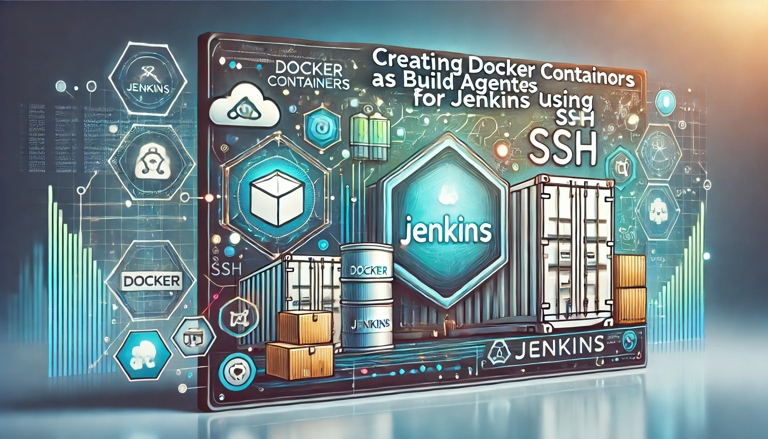
The aim of this doc is to guide over the process to set up Docker Containers as Build Agents for Jenkins. It's very common to consider Jenkins nodes and agents as synonyms, but strictly speaking are not the same. A Jenkins node, also known as a Jenkins server, is any machine (physical or virtual) connected to the Jenkins network or the Jenkins environment. Nodes provide computational resources and environments to execute Jenkins build jobs. Both controllers and agents are considered to be nodes. In summary, we can say that Jenkins Nodes are the machines on which Agents run. By using docker containers as agents, you can reduce and simplify the process to create agents: every build spins up a new container, builds the project, and is destroyed. A common practice is to create docker containers to execute the app build process. In this doc, we will see how to create those containers.
This is the first post of a serie about DevSecOps. We’ll discuss about (in)security in DevSecOps process. Today we’ll check security in building process when you need external GIT.